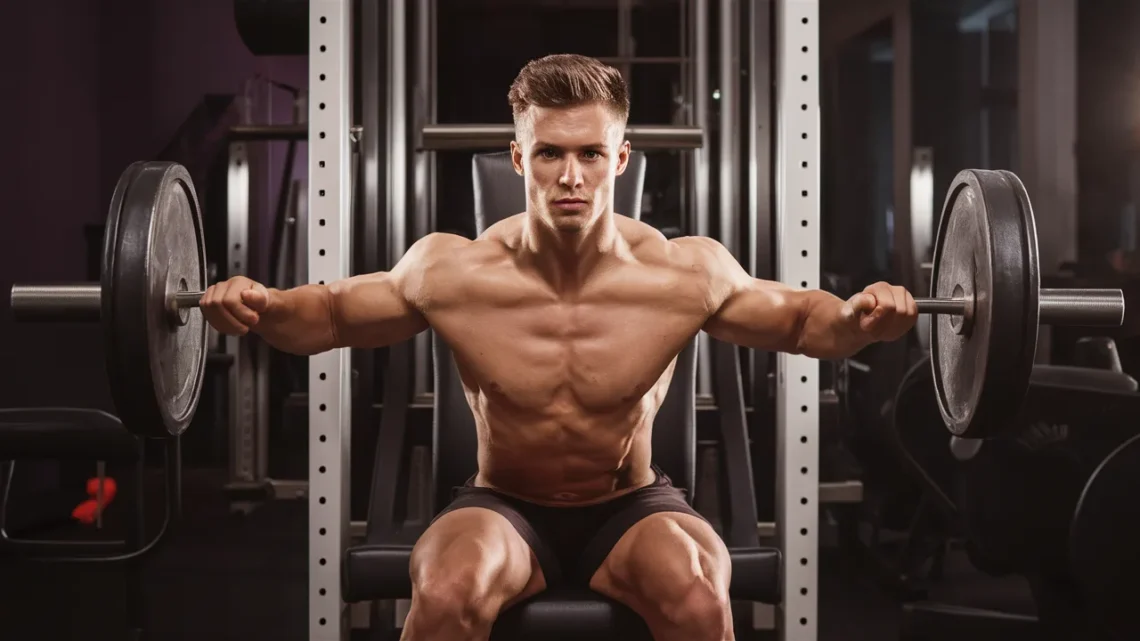
The chest press machine stands as one of the most effective and accessible tools for building upper body strength, improving muscle definition, and enhancing overall fitness performance. We recognize that achieving optimal chest development requires not only consistency but also precision, and this machine provides the perfect balance between controlled movement and targeted muscle engagement. Whether we are beginners stepping into the gym or experienced athletes refining technique, the chest press machine delivers unmatched reliability and results.
What Is a Chest Press Machine?
The chest press machine is a resistance-based fitness apparatus designed to target the pectoral muscles, along with secondary activation of the shoulders (deltoids) and triceps. Unlike free weights, this machine provides a guided path of motion, ensuring stability and reducing the risk of injury while maintaining consistent tension throughout the movement.
We use the chest press machine by sitting upright, gripping the handles, and pushing forward against resistance. The controlled structure allows for progressive overload, which is essential for muscle growth and strength development.
Key Benefits of the Chest Press Machine
1. Enhanced Muscle Isolation
The chest press machine isolates the pectoralis major, enabling focused stimulation without relying heavily on stabilizer muscles. This leads to more efficient muscle activation and improved results.
2. Beginner-Friendly Design
We find this machine ideal for beginners due to its simple mechanics and built-in support. It eliminates the complexity of balancing weights, allowing users to concentrate on form and performance.
3. Reduced Risk of Injury
With a fixed range of motion, the chest press machine minimizes strain on joints and reduces the chances of improper technique, making it a safer alternative to free-weight exercises.
4. Consistent Resistance
Unlike free weights that rely on gravity, the machine maintains constant tension throughout the movement, enhancing muscle engagement during both the push and return phases.
5. Versatile Training Options
We can adjust weight levels, grip positions, and seat height to tailor workouts according to individual fitness goals, whether it’s muscle hypertrophy, endurance, or strength training.
How to Use the Chest Press Machine Correctly
Step 1: Adjust the Seat
We begin by setting the seat height so that the handles align with the mid-chest level. Proper alignment ensures optimal muscle activation and prevents strain.
Step 2: Maintain Proper Posture
Keep the back firmly against the pad, shoulders relaxed, and feet flat on the ground. This stabilizes the body and enhances performance.
Step 3: Grip the Handles
Hold the handles with a firm but comfortable grip. Avoid excessive tension in the wrists to maintain proper form.
Step 4: Execute the Press
Push the handles forward in a controlled motion until the arms are nearly extended. Avoid locking the elbows to prevent joint stress.
Step 5: Controlled Return
Slowly bring the handles back to the starting position, maintaining tension in the chest muscles. Controlled movement is crucial for maximizing gains.
Chest Press Machine Workout Routine
Beginner Routine
- 3 sets of 10–12 repetitions
- Moderate weight
- Focus on form and controlled movement
Intermediate Routine
- 4 sets of 8–10 repetitions
- Increased resistance
- Incorporate slow negatives for better muscle engagement
Advanced Routine
- 5 sets of 6–8 repetitions
- Heavy weight
- Include drop sets or supersets for intensity
We ensure proper rest intervals between sets, typically ranging from 60 to 90 seconds, to maintain performance and prevent fatigue.
Chest Press Machine vs Bench Press
Stability vs Freedom
The chest press machine offers stability and control, while the bench press allows greater range of motion and engagement of stabilizer muscles.
Safety vs Versatility
We find the machine safer for beginners, whereas the bench press provides more versatility for advanced strength training.
Muscle Activation
Both exercises effectively target the chest, but the machine emphasizes isolation, while the bench press encourages compound muscle engagement.
Common Mistakes to Avoid
1. Incorrect Seat Height
Improper alignment can reduce effectiveness and increase the risk of injury.
2. Using Excessive Weight
We avoid lifting too heavy, as it compromises form and limits muscle engagement.
3. Locking the Elbows
This places unnecessary stress on joints and reduces tension on the chest muscles.
4. Rushing the Movement
Controlled repetitions are essential for maximizing muscle growth and preventing injury.
5. Poor Posture
Failing to keep the back against the pad can lead to strain and ineffective workouts.
Advanced Tips for Maximum Results
- Focus on Mind-Muscle Connection: Actively engage the chest muscles during each repetition.
- Control the Tempo: Slow down both the pressing and returning phases for better results.
- Incorporate Variations: Adjust grip width to target different areas of the chest.
- Combine with Other Exercises: Pair with incline or decline presses for complete chest development.
- Progressive Overload: Gradually increase weight to stimulate continuous muscle growth.
Conclusion
The chest press machine remains a cornerstone of effective upper body training, offering a perfect blend of safety, efficiency, and muscle-targeting precision. By mastering proper technique, maintaining consistency, and incorporating structured routines, we can unlock significant improvements in strength, muscle size, and overall performance. Whether we aim to build a powerful chest or refine our fitness regimen, the chest press machine delivers reliable and measurable results.
FAQ Section
What muscles does the chest press machine work?
The chest press machine primarily targets the pectoral muscles, with secondary activation of the triceps and shoulders.
Is the chest press machine good for beginners?
Yes, it is highly suitable for beginners due to its guided motion and ease of use.
How often should we use the chest press machine?
We can include it in workouts 2–3 times per week, allowing adequate recovery between sessions.
Can the chest press machine replace bench press?
It can complement or substitute the bench press depending on goals, but both exercises offer unique benefits.
What is the ideal weight for chest press machine workouts?
The ideal weight is one that allows us to maintain proper form while completing the desired number of repetitions.