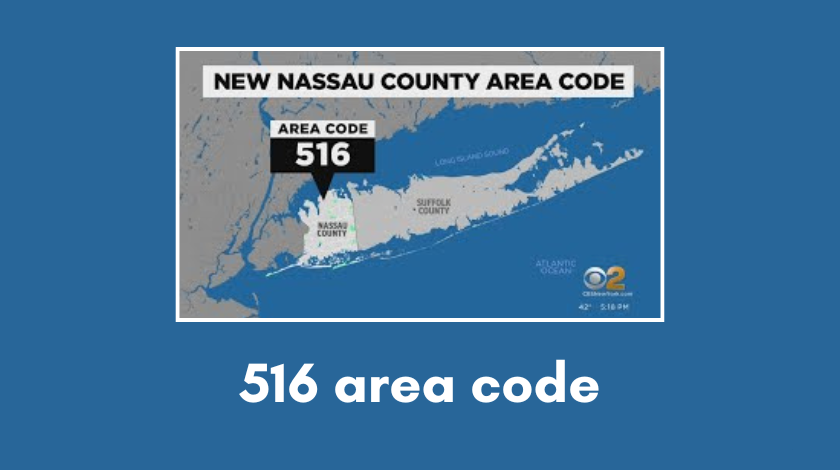
If you have ever spent time on Long Island, you know that your area code is more than just a three digit prefix before your phone number. For many people living in New York, those three numbers are a badge of identity. The 516 area code is one of the most famous and long standing codes in the entire United States. It specifically serves Nassau County, which is the bustling suburban area located right on the doorstep of New York City. Understanding this area code means understanding the history of New York development, the growth of the suburbs, and the way technology has changed how we talk to each other over the last seventy years.
In the early days of telephone communication, things were much simpler. Back in 1947, when the North American Numbering Plan was first created, there were not many area codes to go around. New York City was given 212, and the rest of the surrounding regions were split into just a few sections. Originally, the 516 area code was meant to cover a massive amount of land. It actually included all of Long Island, covering both Nassau and Suffolk counties. Back then, the population was much smaller, and the idea that we would one day run out of phone numbers seemed almost impossible.
I remember talking to some of the older residents in Mineola and Garden City who recall a time when you only had to dial five or seven digits to reach your neighbor. The transition to the system we have today was a slow process that mirrored the incredible population explosion on Long Island after World War II. As more families moved out of the city and into the newly built suburban developments like Levittown, the demand for residential phone lines went through the roof. Eventually, the 516 area code became too crowded to handle everyone.
The Great Split of 1999
One of the most significant moments in the history of the 516 area code happened in the late 1990s. By this time, the rise of the internet, fax machines, and the early days of mobile phones meant that a single area code could no longer support both Nassau and Suffolk counties. There was a lot of debate and quite a bit of local drama when the decision was made to split the region. In 1999, the 516 area code was officially restricted to only Nassau County. The eastern half of the island, Suffolk County, was given the new 631 area code.
This split was a huge deal for local businesses and residents. People had to change their stationary, update their business cards, and get used to a new way of identifying their location. Even today, you will find a friendly rivalry between the “516ers” and the “631ers.” People in Nassau County often feel a closer connection to the city, while those in Suffolk might identify more with the beaches and rural farms of the East End. The 516 code became a symbol of the suburban life that is just a short train ride away from Manhattan.
When you look at a map today, the 516 area code covers some of the most affluent and densely populated areas in the country. It includes major hubs like Hempstead, Freeport, Oyster Bay, and Glen Cove. If you are calling a government office in Mineola or a shop at the Roosevelt Field Mall, you are almost certainly dialing a 516 number. It covers the North Shore, often called the Gold Coast, as well as the vibrant South Shore communities.
Why 516 Matters for Local Businesses
For a business owner, having a 516 area code is often considered a vital asset. If you are running a local service like a plumbing company, a law firm, or a pizza shop, customers want to know that you are actually nearby. Seeing a 516 number on a billboard or a Google search result gives a sense of immediate trust. It tells the customer that you are part of the community and that you understand the local geography. If I am sitting in my house in Hicksville and I need a contractor, I am much more likely to call the person with a 516 number than someone with a random area code from another state.
In the modern world, many businesses use virtual phone systems. This allows a company located somewhere else to purchase a 516 number so they can appear local to Nassau County residents. While this is great for marketing, it also means that residents have to be a bit more careful about who is calling. I always tell my friends to be wary of unsolicited calls, even if the caller ID shows that familiar 516 prefix. Scammers often use “neighbor spoofing” to make their calls look like they are coming from a local neighbor, hoping that you will be more likely to pick up.
The Arrival of the 363 Overlay
For a long time, Nassau County was strictly a 516 zone. However, history repeats itself. Just as we ran out of numbers in 1999, we reached a point in the early 2020s where the 516 prefix was finally exhausted. There were simply no more combinations of numbers left to give out to new residents or businesses. To solve this, the New York Public Service Commission introduced an “overlay.”
In early 2023, the 363 area code was launched to serve the same exact geographic area as 516. This means that if you move to Nassau County today or open a new business, you might be assigned a 363 number instead of a 516 number. This was a big change because it made 10-digit dialing mandatory for everyone. Even if you are calling someone just two houses down the street, you now have to dial the area code followed by the seven-digit number.
I noticed that some of the older generation found this transition a bit frustrating. It is a bit of a psychological hurdle to stop thinking of your local area as just a seven-digit world. But in reality, the 363 overlay is a sign of how much Nassau County continues to grow. It is a vibrant place that is constantly attracting new people and new investments, which naturally leads to a higher demand for telecommunications infrastructure.
The Culture and Vibe of 516
There is a certain “vibe” associated with being from the 516 area. It is a mix of high paced energy and suburban comfort. When you think of 516, you think of the Long Island Rail Road, Saturday mornings at the local deli getting an egg sandwich, and the specific accent that is distinct from the five boroughs of the city. It is an area defined by its schools, its parks, and its proximity to the water.
Having a 516 number often feels like a legacy. There are families who have had the same 516 number for forty or fifty years. In a world where everything is digital and constantly changing, there is something very grounded about a phone number that stays the same. It is a connection to a specific piece of land. Even if you move away, many people keep their 516 mobile numbers as a way to stay connected to their roots. It is a piece of home that you carry in your pocket.
If you are a newcomer to the area, you should know that the 516 region is incredibly diverse. You have the quiet, tree lined streets of Garden City and the bustling, multicultural streets of Hempstead. You have the historic mansions of the North Shore and the hardworking middle class neighborhoods in the center of the county. The 516 area code ties all of these different lifestyles together into one cohesive unit.
Practical Information for Callers
If you are planning to call a 516 number from outside the United States, you will need to use the country code for the USA, which is +1. So, you would dial +1 516 and then the rest of the number. If you are calling from within the US but from a different area code, you just dial 1-516 and the seven digits.
Because Nassau County is in the Eastern Time Zone, you should always be mindful of the time difference if you are calling from the West Coast or another country. I have had several instances where friends from California called me at 9:00 AM their time, forgetting that it was already noon here and I was right in the middle of my lunch break. Conversely, calling a business in the 516 area after 5:00 PM EST usually means you will hit an answering machine, as many of the local shops keep traditional business hours.
Safety and Avoiding Scams
As I mentioned earlier, the 516 area code is unfortunately a popular target for spoofing. Because it is a wealthy area with a high population density, scammers often try to trick residents. One common scam involves a caller claiming to be from a local utility company like PSEG Long Island or National Grid. They might tell you that your bill is overdue and that your power will be shut off unless you pay immediately with a gift card.
Please remember that no legitimate company will ever ask you to pay a bill with a gift card. If you get a suspicious call from a 516 number, the best thing to do is hang up and call the company back using the official number listed on your monthly statement. Do not rely on the caller ID alone. This is an important part of living in a high traffic area code. You have to be a little bit savvy to protect yourself.
The Future of Area Codes in New York
As we look toward the future, it is likely that we will see even more overlays and changes. As technology evolves and we move toward a world dominated by 5G and the Internet of Things, the way we use phone numbers might change entirely. Perhaps one day the idea of a geographical area code will be obsolete. But for now, the 516 area code remains a cornerstone of the Long Island experience.
It is a reminder of where we came from and how much we have grown. From the post-war housing boom to the digital revolution of today, these three little numbers have seen it all. Whether you are a lifelong resident who would never give up your 516 number, or a business owner looking to establish a presence in one of the best markets in the world, the 516 area code is a powerful symbol of New York life.
In conclusion, the 516 area code is much more than a technical necessity. It is a historical marker that tells the story of Nassau County. It has survived splits, overlays, and the transition from rotary phones to smartphones. While the new 363 code is now joining it, 516 will always be the “original” Nassau County code. It represents the communities, the people, and the unique culture of Long Island. If you are lucky enough to have a 516 number, you are carrying a piece of New York history with you every day.
Conclusion
The 516 area code is a vital part of the New York telecommunications landscape, specifically serving the residents and businesses of Nassau County. Since its inception in 1947, it has evolved from a broad regional code to a specialized prefix that signifies local trust and community identity. With the introduction of the 363 overlay, the region continues to adapt to the growing needs of its population. Whether for personal use or professional branding, the 516 area code remains one of the most recognizable and prestigious codes in the United States.
Frequently Asked Questions
1. Which cities are covered by the 516 area code?
The 516 area code covers all of Nassau County on Long Island, New York. This includes major locations such as Hempstead, Levittown, Freeport, Hicksville, Garden City, Mineola, Oyster Bay, and Glen Cove.
2. Is 516 the same as 631?
No. Originally, 516 covered both Nassau and Suffolk counties. However, in 1999, the area was split, and 631 was created to serve Suffolk County, while 516 remained exclusive to Nassau County.
3. Do I have to dial 10 digits for 516 numbers?
Yes. Since the introduction of the 363 overlay in 2023, 10-digit dialing (area code + phone number) is mandatory for all local calls within the Nassau County area.
4. What is the new 363 area code?
The 363 area code is an “overlay” for the 516 region. Because 516 ran out of available phone numbers, the 363 code was added to the same geographic area to provide more numbers for new users.
5. What time zone is area code 516?
The 516 area code is in the Eastern Time Zone (ET). It follows Eastern Standard Time (EST) in the winter and Eastern Daylight Time (EDT) during the summer months.
6. Can I still get a 516 phone number?
It is becoming more difficult to get a new 516 number because they are mostly exhausted. However, you can still get one through some service providers who have existing numbers in their inventory, or you might be assigned the new 363 code instead.