I still remember the afternoon of August 15, 2025, when my phone started buzzing with aviation alerts. As someone who has been following airline operations for over a decade, both professionally and as an aviation enthusiast, I have learned that not every emergency squawk tells the full story. But when I saw that EasyJet flight U22152 had declared an emergency over German airspace and was diverting to Cologne, I knew this was different. This was not a minor technical glitch or a precautionary measure. This was a genuine in-flight emergency that tested the skills of an experienced captain and the resilience of 185 passengers who suddenly found themselves part of a situation no traveler ever wants to experience.
The incident involving EasyJet U22152 has since become a case study in how modern aviation handles unexpected medical crises at 36,000 feet. It is also a reminder of why we have two pilots in the cockpit, why rigorous training matters, and why the aviation industry remains one of the safest forms of transportation despite the occasional dramatic headline. In this article, I will walk you through exactly what happened, why it matters, and what both passengers and aviation professionals can learn from this event.
What Exactly Happened on August 15, 2025?
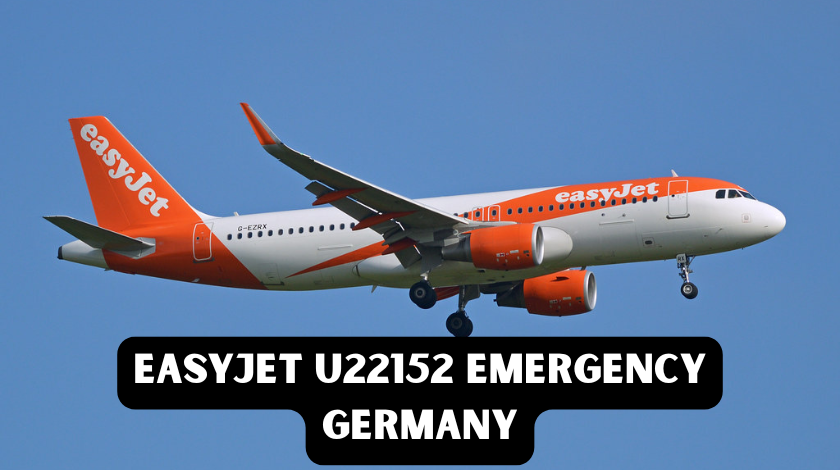
Let us start with the facts. EasyJet flight U22152, operated by an Airbus A320-200 with registration G-EZRX, departed Istanbul Airport in Turkey bound for Manchester Airport in the United Kingdom. The flight was routine, the weather was cooperative, and the aircraft was performing normally. On board were 185 passengers and crew members, all expecting a standard four-hour journey across Europe.
Approximately two and a half hours into the flight, while cruising at flight level 360 (which is 36,000 feet for those unfamiliar with aviation terminology), the first officer began experiencing severe abdominal pain. This was not a case of mild discomfort or air sickness. According to reports from aviation safety databases, the pain was intense enough to render the first officer effectively incapacitated, unable to perform their duties as the pilot monitoring the aircraft.
Here is where the training kicks in. The captain, recognizing immediately that the situation was serious, decided to declare an emergency. In aviation, declaring an emergency is not done lightly. It triggers a cascade of protocols, alerts air traffic control, and prioritizes your aircraft for landing. The captain squawked 7700, the international transponder code for general emergency, and began coordinating with German air traffic control for an immediate diversion.
Understanding the Flight Route and Timeline
To truly appreciate the decisions made that day, you need to understand the geography. The flight path from Istanbul to Manchester typically takes aircraft over Eastern Europe, across Germany, and then over the North Sea before descending into Manchester. On August 15, when the emergency occurred, the aircraft was approximately 150 nautical miles east-southeast of Cologne.
The captain had several options for diversion airports. Frankfurt, one of Europe’s busiest hubs, was within range. Düsseldorf was another possibility. But Cologne Bonn Airport emerged as the clear choice. The reasons were practical and safety-focused: Cologne had the medical facilities necessary to treat the first officer immediately upon landing, the weather was favorable, and the airport could accommodate an Airbus A320 without disrupting operations significantly.
From the moment the emergency was declared to the wheels touching down on Cologne’s runway 32R, approximately 27 minutes elapsed. Twenty-seven minutes. In the world of aviation emergencies, that is both an eternity and a blink of an eye. It is enough time for adrenaline to spike, for passengers to realize something is wrong, and for a skilled captain to bring an aircraft safely to the ground while managing a medical crisis in the cockpit.
The Critical Moment: First Officer Incapacitation
Let us talk about what pilot incapacitation really means because this is crucial to understanding the severity of the U22152 incident. In commercial aviation, we operate on a two-pilot system for exactly this reason. The captain and first officer work as a team and serve as backups for each other. When one becomes unable to fly, the other must immediately assume full responsibility for the aircraft.
Incapacitation can occur suddenly, as it did on U22152, or gradually. Food poisoning is actually one of the more common causes of pilot incapacitation, which is why airlines have strict guidelines about crew meals. Pilots are often encouraged to eat different meals to avoid contamination, though in this case, the suspected food poisoning affected only the first officer.
The symptoms described, severe stomach pain, suggest possible gastroenteritis or foodborne illness. At 36,000 feet, the pressure changes, and the confined environment of a cockpit can rapidly exacerbate such conditions. The first officer was not just uncomfortable; they were in a state where focusing on instruments, communicating with air traffic control, or monitoring the aircraft’s systems became impossible.
I have spoken with pilots who have experienced similar situations, though none who wish to be named. They describe the psychological shift that happens when you realize you are now flying solo in a two-person job. The workload doubles instantly. You are not just flying the plane; you are managing the emergency, communicating with controllers, checking the weather, preparing for landing, and monitoring your colleague’s condition. It is a testament to the captain’s training and composure that the landing in Cologne was described as “uneventful” despite the chaos unfolding just feet away.
Why Cologne? The Geography of Emergency Decisions
You might wonder why the captain chose Cologne over other airports. This decision-making process fascinates me because it illustrates how pilots think in crises. When selecting a diversion airport, pilots consider multiple factors simultaneously, often using the acronym “GRABCARD” or similar memory aids to ensure they do not miss critical elements.
First, there is the medical factor. The primary goal was getting the first officer to a hospital as quickly as possible. Cologne Bonn Airport has excellent medical facilities on-site and is close to major hospitals. Every minute counts in a medical emergency, and Cologne offered the shortest route to definitive care.
Second, there is the operational factor. The aircraft was an Airbus A320, a type Cologne handles regularly. The airport has appropriate runway length, emergency services, and ground handling capabilities. There would be no complications with aircraft compatibility or runway suitability.
Third, weather and traffic play roles. On August 15, Cologne was experiencing clear conditions with light winds. The airport was not experiencing heavy traffic that would delay landing clearance. When you are dealing with a medical emergency, you want to minimize time in the air, and Cologne offered the most direct path to the ground.
Finally, there is the human factor. The captain likely had familiarity with Cologne as a diversion option. Airlines pre-plan diversion airports for every route, and Cologne is a standard alternate for flights crossing Germany. The captain could focus on flying, knowing that the airport infrastructure would support a safe landing and a quick medical response.
Inside the Cockpit: How the Captain Handled the Crisis
I want to paint a picture of what those 27 minutes were like because I think it highlights the professionalism that keeps air travel safe. When the first officer reported severe pain, the captain had to make immediate assessments. Is this a temporary issue? Can the first officer continue? How quickly is the condition deteriorating?
Aviation training emphasizes something called “situational awareness.” The captain had to maintain awareness of the aircraft’s position, the weather ahead, fuel status, passenger status, and now the medical condition of a crew member. Meanwhile, the first officer was likely experiencing significant distress. In such situations, the captain must delegate tasks to the cabin crew, asking flight attendants to assist the first officer while maintaining cockpit security.
The decision to declare an emergency came quickly, which I interpret as good judgment. Some pilots might hesitate, hoping the situation improves, but in medicine and aviation, deterioration is always a risk. By declaring early, the captain secured priority handling from air traffic control, meaning other aircraft were vectored out of the way, and U22152 was given direct routing to Cologne.
Communication is critical here. The captain had to inform passengers without causing panic, coordinate with company dispatch, speak with medical advisors on the ground, and handle all the normal tasks of preparing for landing. The autopilot might have been engaged to reduce workload, but the mental burden was immense. Yet the landing was normal, smooth even, which tells you everything about the captain’s skill level.
Passenger Experience: What 185 People Went Through
Now, let us shift perspective because while the cockpit was managing a crisis, the cabin held 185 people who likely had no idea what was happening until the captain made an announcement. I have been on flights where emergencies were declared, and the uncertainty is the hardest part. Your mind races through possibilities: engine failure? Terrorism? Structural damage?
On U22152, passengers reported that the captain announced a medical emergency and diversion to Cologne. The term “medical emergency” is intentionally vague, protecting the crew member’s privacy while conveying seriousness. Passengers would have noticed the aircraft descending and changing direction, subtle cues that something was different.
What strikes me about passenger accounts is the calm that reportedly prevailed. Yes, there was concern, but modern travelers are somewhat accustomed to delays and diversions. The flight attendants, trained for exactly these scenarios, would have been moving through the cabin, reassuring passengers, preparing for possible emergency landing procedures, and ensuring everyone remained seated with seatbelts fastened.
Upon landing in Cologne, passengers would have seen emergency vehicles racing alongside the aircraft. Fire trucks, ambulances, and airport security are all responding to the declared emergency. The first officer was removed first for medical care, a process that requires coordination to get someone off an aircraft quickly while maintaining safety protocols. Then came the waiting.
The Role of Food Safety in Aviation
This incident raises an important topic that most travelers never consider: flight crew food safety. Airlines take crew meals seriously because a sick pilot is not just an inconvenience; it is a safety risk. EasyJet, like most carriers, has catering protocols designed to minimize the risk of foodborne illness.
Pilots are typically advised to eat different meals. If one meal is contaminated, the other pilot remains healthy and able to fly. Crew meals are often prepared to higher safety standards than passenger meals, with attention to temperature control, freshness, and handling. Yet despite these precautions, food poisoning still occurs.
The suspected cause of the U22152 incident was food poisoning, though I should note that official investigation results may provide more specific details. Foodborne illness can strike hours after consumption, meaning the first officer might have eaten contaminated food in Istanbul before departure or even during a previous layover. The incubation period for common foodborne bacteria like Salmonella or E. coli can range from 6 to 72 hours, making it difficult to pinpoint the exact source.
Airlines constantly review their catering contracts and food safety procedures after such incidents. EasyJet is likely to have conducted an internal review of catering at Istanbul Airport, examining preparation facilities, storage temperatures, and supply chains. These reviews are not about assigning blame but about preventing recurrence.
Emergency Landing Procedures: A Step-by-Step Breakdown
For those interested in the technical side, let me explain what happens during a medical emergency diversion, like the one U22152 experienced. When the captain decides to divert, the first step is notifying air traffic control. The phrases “Mayday” or “Pan Pan” are used: Mayday indicates grave danger, and Pan Pan indicates urgency without immediate danger. U22152 likely used Pan Pan, though the squawk 7700 code conveys the emergency status regardless of radio terminology.
Air traffic control then clears all other traffic from the area, providing the emergency aircraft with direct routing. The distance to Cologne was about 150 nautical miles, which at jet speeds takes roughly 15 to 20 minutes depending on wind and descent profile. During this time, the captain would have been running checklists, briefing the cabin crew on landing preparations, and calculating landing performance data.
The cabin crew’s role is to secure the cabin. This means ensuring that all passengers are seated, that loose items are stowed, that tray tables are up, and that seatbelts are fastened. They also identify passengers who might be able to assist in an evacuation if needed, though in this case, an evacuation was unlikely given the nature of the emergency.
Upon landing, the aircraft is met by emergency services. For a medical emergency, this includes paramedics who can board the aircraft immediately. The captain would have stopped the aircraft on the runway or taxiway, allowing quick access to the cockpit. In U22152’s case, the first officer was transported to a hospital, and the aircraft was eventually moved to a gate or remote stand.
Aftermath: Delayed Flights and Passenger Care
Once the immediate emergency was handled, the operational challenges began. The aircraft was now in Cologne, with one pilot unable to continue, 185 passengers expecting to reach Manchester, and a schedule in complete disarray. EasyJet’s operations team had to make quick decisions about how to get everyone to their destination.
The solution was to dispatch a replacement pilot to Cologne. This is standard procedure for crew incapacitation. The replacement had to be positioned from another base, possibly London or Manchester, which takes time. Meanwhile, the passengers remained on board or were deplaned to the terminal, depending on the expected wait time.
EasyJet provided hotel accommodations and meals for passengers, as the delay extended overnight. This is not just good customer service; it is required under European Union regulations for significant delays. Passengers were eventually flown to Manchester, arriving approximately five hours behind schedule.
I think it is worth noting the passenger response to this delay. While no one wants their travel plans disrupted, most people understand that a pilot’s health is not something you compromise on. Social media posts from passengers that day showed frustration with the delay but appreciation for the crew’s handling of the situation. That balance, recognizing inconvenience while acknowledging necessity, reflects a mature understanding of aviation realities.
Lessons Learned: Improving Aviation Safety
Every aviation incident, whether major or minor, is a learning opportunity. The U22152 diversion will be analyzed by EasyJet’s safety department, by British and German aviation authorities, and possibly by the European Union Aviation Safety Agency. These analyses look for systemic issues, not just individual failures.
One lesson reinforced by this incident is the value of the two-pilot rule. Single-pilot operations have been discussed in aviation circles as a cost-saving measure, but incidents like U22152 demonstrate why having two qualified pilots is essential. The captain could not have safely managed the aircraft, navigated, communicated, and monitored the first officer’s condition simultaneously without significant risk.
Another lesson concerns food safety protocols. While we do not know the exact source of the first officer’s illness, the incident serves as a reminder that crew meal programs need constant vigilance. Airlines may review their catering contracts, increase inspections, or enhance crew education about food safety risks in certain regions.
The incident also validates emergency training programs. The captain’s quick decision-making, the cabin crew’s response, and the coordination with Cologne air traffic control all worked as designed. When systems work correctly in crises, it confirms that training investments pay off.
What Passengers Should Know About In-Flight Medical Emergencies
If you are a regular traveler, you might wonder what you should know about medical emergencies on flights. First, understand that diversions are expensive for airlines. A decision to land early incurs fuel costs, landing fees, passenger compensation, and operational disruption. When a captain decides to divert, it is because the medical situation is serious enough to warrant those costs. Trust that decision.
Second, medical emergencies are more common than you might think. While pilot incapacitation is rare, passenger medical issues happen on approximately 1 in 600 flights globally. Airlines carry medical kits and defibrillators and often have access to ground-based medical advisors via satellite communication. The system is designed to handle these situations.
Third, if you have medical training, consider informing the crew upon boarding that you are willing to assist in an emergency. Some airlines have formal programs for medical volunteers, but even informal offers are appreciated. On U22152, medical professionals among the passengers would have been ready to assist if needed, though the focus was on rapid landing rather than in-flight treatment.
EasyJet’s Safety Record and Response
EasyJet is one of Europe’s largest low-cost carriers, operating hundreds of flights daily across the continent. The airline has a strong safety record, with no fatal accidents involving passenger flights in its history. Incidents like U22152, while newsworthy, actually demonstrate the effectiveness of safety systems rather than their failure.
The airline’s response to the U22152 incident was textbook appropriate. They confirmed the diversion, explained the medical nature of the emergency without violating the first officer’s privacy, arranged passenger care, and operated the replacement flight without further incident. Their communication was timely and transparent, which helps maintain public trust.
I have watched EasyJet evolve over the years from a small budget carrier to a major European airline. With growth comes increased scrutiny and greater resources for safety. The U22152 incident shows that, even as airlines expand, safety fundamentals remain a priority.
Regulatory Oversight: What Authorities Said
Following incidents like U22152, aviation authorities conduct reviews to ensure regulations are followed and to identify any gaps. The German Federal Bureau of Aircraft Accident Investigation would have jurisdiction over the incident since it occurred in Germany. However, the UK Air Accidents Investigation Branch might also take an interest, given the UK-registered aircraft and destination.
These investigations are methodical and can take months. They examine flight data recorder information, cockpit voice recordings, maintenance records, crew medical histories, and operational procedures. The goal is not punishment but prevention. If any recommendations emerge from the U22152 investigation, they will be implemented across the industry, making flying safer for everyone.
Conclusion
The EasyJet U22152 emergency landing in Germany on August 15, 2025, was a dramatic event that ended safely thanks to professional training, quick decision-making, and effective emergency protocols. While the first officer’s incapacitation was undoubtedly frightening for those involved, the incident showcases why commercial aviation maintains such high safety standards.
For passengers, the takeaway is reassurance. The systems are designed to protect you and your work, even in the face of unexpected crises. For aviation professionals, U22152 reinforces the importance of preparation, communication, and teamwork. And for the traveling public, it is a reminder that behind every flight is a team of people trained to handle situations most of us cannot imagine.
As I followed this story from the first alert to the final passenger arrival in Manchester, I was struck by how routine the extraordinary became. An emergency landing, a hospitalized pilot, a five-hour delay, yet everyone went home safe. In aviation, that is the measure of success.
Frequently Asked Questions (FAQ)
What exactly happened to EasyJet flight U22152? EasyJet flight U22152 from Istanbul to Manchester diverted to Cologne, Germany, on August 15, 2025, after the first officer became incapacitated due to suspected food poisoning. The captain declared an emergency and landed safely with 185 people on board.
Was anyone hurt in the U22152 emergency landing? No passengers were injured. The first officer was taken to a hospital for treatment of severe abdominal pain, but recovered. All other passengers and crew were unharmed.
Why did the flight divert to Cologne specifically? Cologne Bonn Airport was the closest suitable airport with excellent medical facilities, favorable weather, and the capability to handle an Airbus A320 emergency landing. It offered the fastest route to definitive medical care for the first officer.
How common are pilot incapacitation incidents? Pilot incapacitation is rare but not unheard of. It occurs in approximately 1 in 50,000 to 1 in 100,000 flights globally. The two-pilot system is specifically designed to handle such situations safely.
What compensation did passengers receive? Passengers were provided with hotel accommodations and meals, and they eventually reached Manchester with approximately a five-hour delay. Under EU regulations, passengers may have been entitled to additional compensation depending on the specific circumstances.
Is it safe to fly after hearing about incidents like U22152? Yes. Incidents like this actually demonstrate the safety of aviation. The systems worked exactly as designed: the captain made good decisions, the aircraft landed safely, and everyone was cared for. Commercial aviation remains the safest form of transportation.
What caused the first officer to become sick? Official reports indicate suspected food poisoning, though the exact source has not been publicly confirmed. Airlines take food safety seriously and constantly review catering procedures to prevent such incidents.