I still remember the first time I realized that the yellow bag of shredded “Mexican Blend” in my supermarket fridge was a lie. I was visiting a friend whose grandmother was cooking in a small kitchen that smelled deliciously of toasted corn and roasting chilies. When she handed me a taco, there was no yellow cheddar in sight. Instead, there was a stark white, fluffy crumbling of cheese on top that tasted fresh, milky, and slightly salty. It did not weigh the taco down like heavy melted grease. It lifted the flavors up. That was my introduction to Queso Fresco, and it started a long love affair with the vast and beautiful world of authentic Mexican cheese.
If you are like many people, your experience with Mexican cheese might be limited to the melted stuff inside a burrito or that orange nacho cheese sauce at the movie theater. But the reality is so much more complex and delicious. Mexico has a rich dairy history that dates back to the Spanish conquest, as cows and goats were not native to the Americas before then. Over the centuries, Mexico took European cheesemaking techniques and adapted them to the local climate and tastes, creating a unique family of cheeses that are distinctly their own. In this guide, I want to walk you through the most popular types you will find, how to use them, and why you should absolutely make a trip to your local Latin market to buy them.
The Fresh Contenders: Crumbly and Cool
Let us start with the cheeses that are meant to be eaten fresh. These are usually not the main event of a dish but rather the perfect finishing touch. The most famous of these is undoubtedly Queso Fresco. The name literally translates to “fresh cheese,” which tells you everything you need to know. It is bright white, moist, and soft. When you buy it, it usually comes in a round block. The flavor is very mild and milky, almost like a very pressed ricotta but with a bit more salt. You do not buy Queso Fresco to melt it because it does not melt. It just gets soft and warm. You buy it to crumble over the top of spicy dishes. The coolness of the cheese balances the heat of a salsa perfectly. I love crumbling it over a bowl of black beans or tossing it on top of chilaquiles in the morning. It adds a texture that is light and airy.
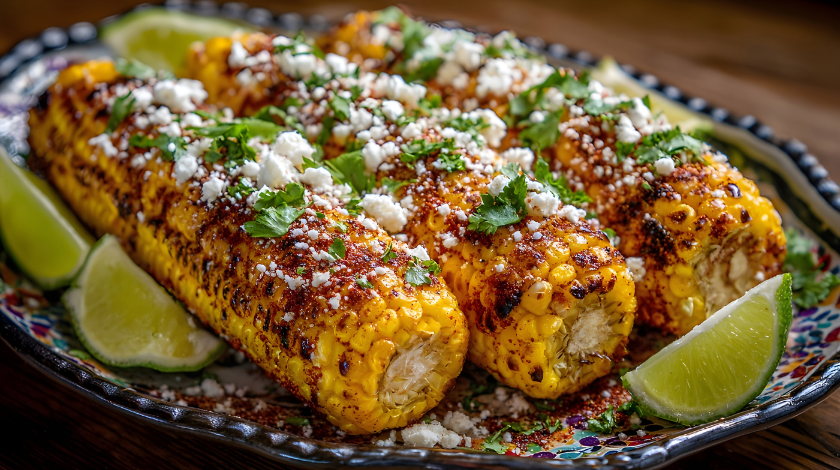
Next up is the heavyweight champion of flavor known as Cotija. If Queso Fresco is mild and polite, Cotija is loud and aggressive in the best way possible. It is an aged cow’s milk cheese named after the town of Cotija in the state of Michoacán. People often call it the “Parmesan of Mexico,” and while that is a decent comparison because they are both dry and salty, Cotija has a distinct funkiness to it that is all its own. It is firm and crumbly, and unlike Parmesan, it does not melt at all. It holds its shape. You have probably eaten this without knowing it if you have ever had “Elote” or Mexican street corn. That white powder coating the corn cob is Cotija. It is salty enough that you usually do not need to add extra salt to your food if you are using it. I personally keep a block of this in my fridge at all times to sprinkle over avocado toast or lentil soup.
We cannot talk about fresh cheese without mentioning Requesón. This is essentially the Mexican version of Ricotta. It is soft, grainier than cream cheese, and incredibly spreadable. It is made from whey, which makes it lighter than other cheeses. You will often find this used as a filling for tlacoyos or gorditas at street stalls. It has a very neutral flavor, so it loves to be mixed with herbs or chili peppers. If you are looking for something to spread on toast or to stuff into a roasted pepper, Requesón is a delightful change of pace from standard cream cheese.
The Melters: Gooey, Stretchy, and Decadent
Now we move on to the category that most people dream about. The melting cheeses. If you want that satisfying cheese pull, you need to know about Queso Oaxaca. This is arguably the most fun cheese in the world. It looks like a ball of white yarn or a rubber band ball. It is a semi-soft cheese made using the “pasta filata” method, which is the same technique used to make Italian Mozzarella. This stretching process gives it that unique stringy texture. You can literally unroll the ball and peel off strings of cheese to eat as a snack, which is something kids absolutely love. But where Oaxaca shines is in its melting ability. It melts beautifully without releasing too much oil. This is the cheese you want for quesadillas. It has a buttery, mild flavor that pairs with everything.
Another superstar in the melting category is Queso Chihuahua, also known as Queso Menonita. This cheese has a fascinating history. It originated in the state of Chihuahua and was first produced by Mennonite communities that settled there in the early 20th century. It is a semi-soft cheese that is pale yellow, somewhat similar to a mild Cheddar or a Monterey Jack, but with a more sour cream tang to it. It is richer and heavier than Oaxaca cheese. If you are making a Queso Fundido (that bubbling dish of melted cheese with chorizo served with tortillas), Chihuahua is usually the cheese of choice. It becomes incredibly liquid and smooth when heated. It is also the standard cheese used for nachos in many parts of Mexico, far superior to the processed yellow goo we are used to in the States.
Then there is Queso Asadero. The name comes from the word “asar,” which means to roast or grill. As you might guess, it is a great melting cheese. It is very similar to Oaxaca in flavor but usually comes in a block or slices rather than a ball. It has a slightly more acidic or tangy kick to it compared to the milky Oaxaca. This is the cheese often preferred for Chile Relleno, the stuffed poblano peppers, because it melts into a creamy pool that mixes perfectly with the spicy pepper flesh.
The Griller: Queso Panela
There is one cheese that stands alone because of its unique physical properties, and that is Queso Panela. This is a fresh, white cheese that looks a bit like a basket because it is often molded in baskets that leave an imprint on the outside. It has a texture similar to firm tofu or Indian Paneer. The magic of Panela is that it does not melt. You can put it directly on a hot grill or in a frying pan, and it will get soft and warm, but it will keep its shape. This makes it perfect for “Queso Frito” (fried cheese). You can sear it until it gets golden brown and crispy on the outside while staying soft on the inside. It is often served as a snack or appetizer with a side of salsa verde. It is also commonly cubed into salads because it is lower in fat than many other cheeses and adds a nice meaty bite to a bowl of greens.
Navigating the Grocery Store
When you walk into a standard American grocery store, you will likely see brands like Cacique or V&V Supremo. These are generally good and accessible. However, if you have a Mexican “carnicería” (meat market) or “tienda” (shop) in your town, I urge you to go there. Often, they will have a deli counter where you can buy these cheeses by weight. The difference in freshness is palpable. The Queso Fresco will be moister, and the Oaxaca will be stringier. Plus, you can usually ask for a sample to taste before you buy.
One point of confusion I want to clear up is the difference between Mexican Manchego and Spanish Manchego. This trips up a lot of people. In Spain, Manchego is a hard, aged sheep’s milk cheese. In Mexico, Manchego is a semi-soft cow’s milk cheese that is yellow and melts easily. They are totally different products. If a recipe calls for Mexican Manchego and you buy the expensive Spanish kind, you will be disappointed when it doesn’t melt the same way. Conversely, if you are making a Spanish tapas board, the Mexican version won’t fit the profile. Just check the label to see if it is made from cow or sheep milk.
Storage and Usage Tips
Because many Mexican cheeses, specifically Fresco, Panela, and Oaxaca, are fresh cheeses with higher moisture content, they spoil faster than a block of sharp Cheddar. Once you open a package of Queso Fresco, you really should try to use it within five to seven days. It can turn sour or grow mold relatively quickly. I always recommend keeping them in the coldest part of your fridge. If you buy the balls of Oaxaca cheese, keep them wrapped tightly in plastic wrap to prevent them from drying out and losing their elasticity.
Cotija is the exception here. Because it is aged and salty, it lasts much longer. You can keep a wedge of Cotija in your fridge for weeks or even months if it is wrapped well. If you find yourself with too much cheese, you can freeze Queso Chihuahua or Oaxaca, but be warned that the texture might change slightly, becoming a bit more crumbly when thawed. It is still fine for melting, but maybe not for eating raw. I generally avoid freezing Queso Fresco as it tends to get watery and lose its delicate texture.
Conclusion
Exploring Mexican cheese is an adventure for your palate. It moves you away from the monotony of processed blends and introduces you to textures that range from the squeaky chew of Oaxaca to the chalky crumble of Cotija. These cheeses are the soul of Mexican cuisine. A taco without that sprinkle of white cheese often feels incomplete, like a sentence without a period. A quesadilla made with real Chihuahua cheese is a revelation compared to one made with mild cheddar.
I hope this guide encourages you to step outside your comfort zone. Next time you are planning a taco night or making a pot of chili, skip the orange shreds. Buy a wheel of Queso Fresco or a wedge of Cotija. Crumble it with your hands. Taste the milkiness and the salt. It is a small change that makes a massive difference in the quality and authenticity of your food. Once you start using these authentic varieties, you will find it very hard to go back to the yellow bag.
FAQ
Q: Can I eat the rind on Mexican cheeses?
A: generally speaking, yes. Most Mexican cheeses like Panela, Fresco, and Oaxaca do not have a hard rind like a Brie or Parmesan. The entire block is edible. Some aged Cotija might have a harder outer edge, but it is usually safe to eat, though you might prefer to trim it if it is too hard.
Q: Is Mexican cheese pasteurized?
A: If you are buying cheese in a supermarket in the United States, yes, it is pasteurized by law. This makes it safe for everyone to eat, including pregnant women. If you are buying homemade cheese from a local market in Mexico or an unregulated vendor, it might be made with raw milk, which carries different risks. Always check the label for “pasteurized milk.”
Q: What is the best substitute for Queso Fresco?
A: If you cannot find Queso Fresco, a mild Feta cheese is the closest substitute, though Feta is usually a bit tangier and saltier. You could also use a very dry Ricotta Salata or even a mild goat cheese, though the flavor profile will shift slightly.
Q: What is the best substitute for Oaxaca cheese?
A: Mozzarella is the best substitute. Specifically, low-moisture, part-skim Mozzarella works best for melting. String cheese (which is essentially Mozzarella) is also a very close match in texture and flavor to Oaxaca.
Q: Why doesn’t my Queso Panela melt?
A: Queso Panela is a fresh, acid-set cheese. The protein structure is different from rennet-set cheeses. This structure prevents it from becoming liquid when heated. Instead, it softens but holds its shape, which is a feature, not a bug! It is meant to be grilled or fried.
Q: Is Cotija cheese spicy?
A: No, Cotija is not spicy. It is salty. Sometimes it is sold covered in chili powder, but the cheese itself is just savory, milky, and salty. It adds flavor intensity, but not heat.