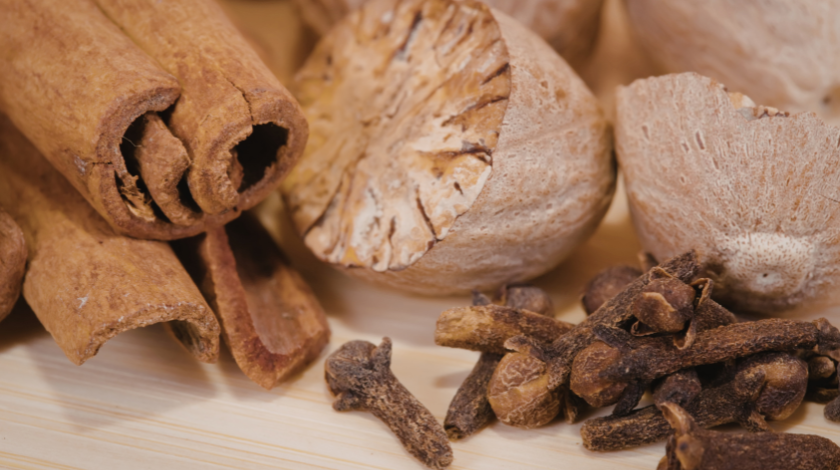
There is something almost magical about the moment you grate a fresh nutmeg over a steaming cup of hot cocoa or a creamy potato mash. The aroma hits you instantly. It is warm, slightly sweet, earthy, and deep all at once. For many of us, this spice is the literal scent of the holiday season, reminding us of family gatherings and cozy winter nights. However, nutmeg, or as it is known in many regions, мушкатни орашчић, is far more than just a flavor enhancer for your latte. It is a spice with a complex history, incredible health potential, and a dark side that many people never realize exists.
In this guide, I want to take you through everything I have learned about nutmeg over years of cooking and studying natural wellness. We will talk about why it tastes the way it does, how it can help you sleep better, and why you should always treat it with a bit of respect when it comes to dosage.
A Journey from the Spice Islands to Your Pantry
To really appreciate nutmeg, you have to understand where it comes from. It is not just a powder in a plastic jar. Nutmeg is actually the inner seed of the fruit from the Myristica fragrans tree, an evergreen that originally grew only in the Banda Islands of Indonesia, famously known as the Spice Islands. If you saw the fruit in person, you might mistake it for a small peach or an apricot. When the fruit ripens, it splits open to reveal a bright red, lacy covering called mace, which wraps around a hard, dark shell. Inside that shell is the nutmeg seed we know and love.
I remember the first time I saw a whole nutmeg seed still in its shell. It looked like a little wooden marble. When you crack it open, the scent is incredibly potent. This spice was once so valuable that empires fought wars over these tiny islands. The Dutch and the British traded entire colonies just to get control of the nutmeg trade. It is fascinating to think that the little sprinkle on top of your oatmeal was once worth more than its weight in gold. Today, we are lucky enough to find it in any local grocery store, but that historical legacy of luxury still feels present in its rich, complex flavor.
The Kitchen Essential: Why Fresh is Always Better
If there is one piece of advice I can give you as a home cook, it is this: stop buying pre-ground nutmeg. I know it is convenient, but the difference between the powder in a tin and a freshly grated seed is like the difference between a grainy photograph and seeing something in real life. Once nutmeg is ground, the volatile oils that give it that signature punch start to evaporate almost immediately. Within a few months, that powder just tastes like dusty wood.
Whole nutmeg seeds, on the other hand, can stay fresh for years if you keep them in a cool, dry place. I always keep a small microplane or a dedicated nutmeg grater in my top drawer. When you grate it yourself, you get those essential oils right into your food. A little goes a long way. I usually find that just three or four swipes across the grater are enough to transform a dish. It is the secret ingredient in my Béchamel sauce for lasagna. While most people focus on the cheese, it is that tiny hint of nutmeg that provides the “warmth” that makes the sauce feel sophisticated rather than just heavy and fatty.
Beyond the Flavor: The Surprising Health Benefits
For centuries, traditional medicine has used nutmeg to treat everything from toothaches to digestive issues. While we should always look at old-world remedies with a healthy dose of modern science, there is a lot of truth to these benefits. Nutmeg is packed with antioxidants, which are compounds that help protect your cells from damage caused by free radicals. These antioxidants can help reduce inflammation in the body, which is a major factor in many chronic health conditions.
One of the most famous uses for nutmeg is as a natural sleep aid. I have struggled with insomnia from time to time, and a glass of warm milk with a pinch of nutmeg and a bit of honey has become a go-to ritual for me. Nutmeg contains a compound called myristicin, which in very small amounts can help relax the nervous system. It seems to stimulate the release of serotonin, which eventually converts to melatonin, the hormone that tells your brain it is time to sleep. It does not knock you out like a sleeping pill, but it creates a gentle sense of calm that makes it much easier to drift off naturally.
Furthermore, nutmeg is fantastic for digestion. If you feel bloated or have a bit of an upset stomach after a heavy meal, a little nutmeg can stimulate the secretion of digestive enzymes. This helps your body break down food more efficiently. In many cultures, it is added to heavy, meat-rich dishes for exactly this reason. It acts as a carminative, which is just a fancy way of saying it helps reduce gas and bloating.
The “Dark Side” of Nutmeg: A Lesson in Moderation
This is the part of the article where I have to be very serious. Nutmeg is unique among kitchen spices because it can actually be toxic if you eat too much of it. This is not meant to scare you away from using it in your cooking, but it is vital to understand the limits. The same compound I mentioned earlier, myristicin, is a psychoactive substance. If consumed in large quantities (we are talking about one to two whole nutmeg seeds or several tablespoons of the ground spice), it can cause what is known as nutmeg poisoning.
Symptoms of nutmeg poisoning are not pleasant. They include extreme dizziness, nausea, a racing heart, and even hallucinations. I have read stories of people trying to use nutmeg as a legal high, and almost all of them describe it as a terrifying, long-lasting ordeal that leaves them feeling sick for days. Because nutmeg is processed slowly by the liver, the effects can last for 24 to 48 hours.
In my kitchen, I follow a simple rule: a “pinch” is plenty. You should never need more than a quarter of a teaspoon for an entire family-sized recipe. As long as you treat it as a spice and not a primary ingredient, it is perfectly safe and wonderful. It is all about balance. Like many things in life, the very thing that makes it a powerful medicine in small doses makes it a toxin in large ones.
How to Use Nutmeg Like a Pro
If you are new to using nutmeg, start with savory dishes. Most people associate it with pumpkin pie or gingerbread, but it truly shines when paired with greens and dairy. I love adding a grate of nutmeg to sautéed spinach with a bit of garlic. The nutmeg cuts through the metallic taste that spinach can sometimes have and brings out a nutty sweetness.
It is also the “X-factor” in many cheese-based recipes. If you are making macaroni and cheese from scratch, add a little nutmeg to your cheese sauce. Your guests will likely ask what that “secret flavor” is because it is hard to identify but makes the dish taste incredibly rich. For breakfast, try it on your French toast or stirred into Greek yogurt with some walnuts. It pairs beautifully with other warm spices like cinnamon, cloves, and cardamom, but it is strong enough to stand on its own as well.
Buying and Storing Your Spice
When you go to the store, look for whole nutmeg seeds that feel heavy for their size. If they feel light or hollow, they might be old and dried out. They should have a deep brown color and a wrinkled surface. You can usually find them in small glass jars or even in bulk sections of health food stores.
To store them, avoid the cabinet right above your stove. I know it is convenient, but the heat and steam from cooking will kill the flavor of your spices very quickly. Instead, keep them in a dark, cool pantry. I keep mine in a small airtight tin. If stored correctly, whole nutmeg can literally last for four or five years without losing its potency. It is one of the best “investments” you can make for your spice rack because you get so much value out of such a small amount.
Conclusion: A Spice for the Senses
Nutmeg is a reminder that the best things often come in small packages. This tiny seed, originating from a single group of islands halfway across the world, has the power to change the entire profile of a meal. Whether you are using it to find a better night’s sleep, to aid your digestion, or simply to make the best lasagna of your life, it is a spice that deserves a place of honor in your home.
Just remember the lessons of history and chemistry: treat it with respect, use it freshly grated, and always stick to a pinch. When you do, you unlock a world of warmth and flavor that very few other ingredients can match. It is a bridge between the ancient world of medicinal herbs and the modern world of gourmet cooking.
Frequently Asked Questions (FAQ)
1. Can I use nutmeg if I am pregnant?
In normal culinary amounts (like the amount in a slice of pie), nutmeg is generally considered safe. However, medicinal doses or large quantities should be avoided as they can potentially cause complications. Always consult your doctor before using spices medicinally during pregnancy.
2. What is the best substitute for nutmeg?
If you run out, the best substitute is mace, as it comes from the same fruit. If you don’t have that, a mix of cinnamon and ginger, or perhaps a bit of allspice, can mimic that warm, spicy profile, though the flavor won’t be exactly the same.
3. Is nutmeg a nut? (Allergy concerns)
Despite the name, nutmeg is not a nut. It is a seed. Most people with tree nut allergies can safely eat nutmeg, but it is always best to check with an allergist if you have a severe hypersensitivity.
4. How do I know if my ground nutmeg has gone bad?
Rub a little bit between your fingers and smell it. If the aroma is weak or smells more like hay than spice, it has lost its volatile oils and should be replaced.
5. Why is nutmeg used in Béchamel sauce?
The spice acts as a bridge between the creamy fats of the milk and butter and the savory elements of the dish. It provides a “top note” that prevents the sauce from feeling too heavy or one-dimensional.