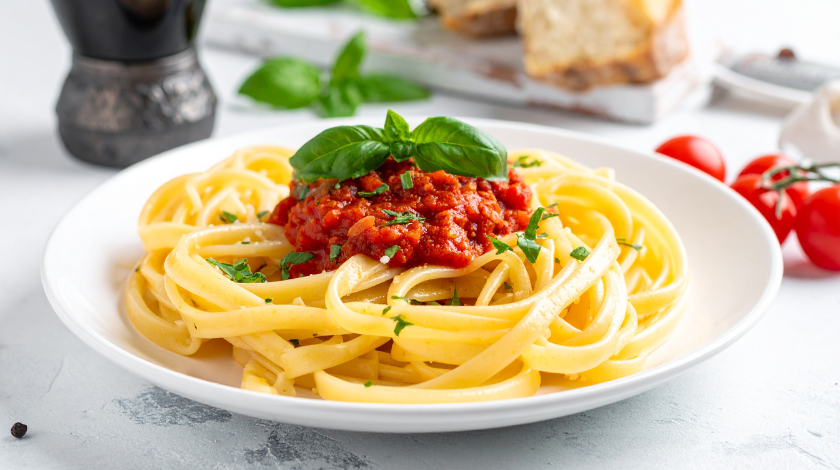
I still remember the first time I truly understood the power of pasta shapes. I was visiting a small coastal town in Italy, sitting at a table with a checkered tablecloth that flapped in the salty breeze. I ordered a simple seafood pasta, expecting the usual round spaghetti I grew up eating. What arrived was different. The noodles were flat, elegant, and coated in a glossy sauce that seemed to cling to them for dear life. It was linguine. That first bite was a revelation because the texture was firm, snapping pleasantly against the teeth, and the sauce didn’t slide off to the bottom of the bowl. It stayed right there on the noodle. That experience taught me that pasta is not just a vehicle for sauce; it is the foundation of the meal itself.
What Exactly is Linguine?
If you look closely at the word “Linguine,” you might spot the root word related to language or linguistics. In Italian, the name literally translates to “little tongues.” It is a charming and slightly strange name, but it describes the shape perfectly. Linguine is elliptical in cross-section. It is not fully flat like fettuccine, and it is not fully round like spaghetti. It occupies a beautiful middle ground. It is wider than spaghetti but narrower than fettuccine, usually measuring about four millimeters in width.
This specific pasta hails from the Liguria region of Italy. If you look at a map, Liguria is that crescent-shaped strip of land in northwest Italy, home to the city of Genoa. This geography is incredibly important to understanding the pasta. Liguria is coastal. It is defined by the sea on one side and mountains on the other. Because the air is salty and the cuisine is dominated by the catch of the day, linguine was designed to pair perfectly with seafood. The surface area of the noodle is just flat enough to hold onto olive oil and garlic but sturdy enough not to turn into mush when tossed with heavy clam shells.
The Great Debate: Linguine vs. Spaghetti and Fettuccine
A lot of home cooks make the mistake of thinking all long pasta is interchangeable. While you technically can swap them, the eating experience changes drastically. Let us compare linguine to its more famous cousin, spaghetti. Spaghetti is round and cylindrical. Because it is round, oily sauces tend to slide off it easily. Spaghetti loves tomato sauce because the acidity and texture of the tomato grip the round surface. Linguine, however, is flat. That flatness creates more surface area. When you toss linguine in a sauce made of olive oil, butter, and lemon, the sauce coats the flat sides like a layer of paint.
Then there is fettuccine. Fettuccine is much wider and is traditionally made with eggs and flour. It is a heavy, rich pasta that demands a heavy, rich sauce, like a creamy Alfredo or a meat-heavy Bolognese. Linguine is usually made from durum wheat semolina and water, without eggs. This gives it a “bite” and a firmness that egg pasta lacks. It is lighter. If you put a heavy meat sauce on linguine, the noodles might get lost. But if you put a light, herbal sauce on fettuccine, the noodle tastes too doughy. Linguine is the king of the “light but flavorful” category.
The Art of Pairing: Best Sauces for Linguine
When you are standing in the grocery aisle holding a box of linguine, you need to know what to buy to go with it. The golden rule for linguine is to think of the ocean and the garden. Because it comes from Genoa, the birthplace of pesto, you can never go wrong with Pesto Genovese. The basil, pine nuts, parmesan, and olive oil paste gets mashed into the texture of the pasta beautifully. The oil slicks the strands, and the bits of crushed basil sit on the flat tongue of the noodle.
However, the absolute soulmate of linguine is seafood. You will rarely see a high-end Italian restaurant serve clams with spaghetti; it will almost always be linguine. The dish Linguine alle Vongole (linguine with clams) is iconic for a reason. The starch from the pasta mixes with the clam juice, white wine, and olive oil to create a creamy emulsion that isn’t actually cream. It is just science and cooking technique. Other great pairings include simple lemon and garlic sauces, spicy shrimp (Fra Diavolo), or a simple toss with mussels and parsley. Avoid heavy chunks of beef or pork, as they tend to fall to the bottom of the bowl, leaving you with plain noodles.
A Deep Dive into Linguine alle Vongole
Since we are talking about the ultimate pairing, we have to discuss the clam sauce phenomenon. Cooking this dish is a rite of passage for any pasta lover. The magic lies in the timing. You start by sautéing plenty of garlic and red pepper flakes in good olive oil. Then you throw in fresh clams and a splash of dry white wine, covering the pot so the steam pops the shells open.
Here is the secret that restaurants use: they undercook the linguine in the boiling water. If the box says cook for ten minutes, they pull it out at seven or eight. They transfer the pasta directly into the skillet with the clam juice. By finishing the cooking process in the sauce, the pasta acts like a sponge. It drinks up the briny, garlicky liquid rather than just plain water. As you toss it—a motion called mantecatura—the friction releases starch, thickening the sauce naturally. The result is a dish that tastes like the ocean breeze. It is elegant, simple, and requires linguine to work correctly because a round noodle simply wouldn’t absorb the flavor the same way.
Master Class: How to Cook Linguine Perfectly
Cooking pasta seems like the easiest thing in the world, yet so many people get it wrong. With linguine, texture is everything. If you overcook it, it becomes slimy and breaks apart. If you undercook it, the thicker center remains chalky and gets stuck in your teeth.
Start with a large pot of water. You need a lot of space for the noodles to move around so they don’t stick together. Once the water is at a rolling boil, add salt. Do not be shy with the salt. The water should taste like a mouthful of seawater. This is your only chance to season the actual dough of the pasta. Once you drop the linguine in, stir it immediately. Because the strands are flat, they have a nasty habit of gluing themselves together into a solid block if you don’t agitate them in the first minute.
Keep testing the pasta as it cooks. The package instructions are just a suggestion, not a law. You are looking for al dente, which means “to the tooth.” When you bite into a strand, there should be a tiny pinprick of white in the center, or at least a firm resistance. It should not be soft all the way through. Remember that the pasta will continue to cook for another minute or two when you drain it and mix it with your hot sauce. If it is perfectly soft in the pot, it will be mushy on the plate.
Making Linguine from Scratch: Is it Worth it?
In recent years, making fresh pasta at home has become a trendy hobby. However, there is a distinction to be made here. Most homemade pasta recipes use flour and eggs. This produces a soft, luxurious noodle that is yellow in color. You can certainly make fresh egg linguine using a pasta machine or by cutting rolled dough with a knife. It tastes wonderful, rich, and tender.
However, the dried linguine you buy in a box is made from durum wheat semolina and water. This is an industrial process that is very hard to replicate at home because it requires immense pressure to extrude the dough. Paradoxically, for certain dishes like the clam sauce mentioned earlier, the dried boxed pasta is actually better than fresh handmade pasta. The dried pasta has a firmer structure that holds up better to tossing and boiling. So, do not feel guilty about buying a high-quality box of dried pasta. In Italy, dried pasta is not considered “worse” than fresh; it is simply a different ingredient for a different purpose. If you do want to make it fresh, serve it with a butter-based sauce or pesto rather than a watery seafood sauce, as fresh pasta absorbs liquid very quickly and can become soggy.
Health and Dietary Considerations
Pasta often gets a bad reputation in the diet world, but linguine can be a healthy part of a balanced lifestyle. The key is portion control and what you pair it with. Traditional durum wheat pasta has a moderate glycemic index, especially if cooked al dente, which makes it digest slower than overcooked pasta.
For those who cannot eat gluten, there are now incredible options available. You can find linguine made from brown rice, chickpeas, or lentils. While the texture is slightly different—often a bit grainier—the shape remains the same, allowing you to enjoy those favorite sauce pairings. Whole wheat linguine is another excellent option. It has a nuttier flavor and a rougher texture. Surprisingly, whole wheat linguine pairs exceptionally well with strong flavors like anchovies, capers, and olives because the hearty flavor of the grain stands up to the intense saltiness of the toppings.
Conclusion
Linguine is more than just a flattened piece of spaghetti. It is a bridge between the land and the sea, a culinary invention from Liguria that has conquered the world. Its unique shape offers a texture that is satisfyingly firm yet capable of holding onto delicate oils and herbs in a way that other shapes cannot. Whether you are throwing together a quick weeknight garlic and oil dinner or trying to impress a date with a fancy clam dish, linguine is your best friend in the pantry.
Next time you are at the store, walk past the spaghetti and grab a box of “little tongues.” Boil them in salty water, toss them with good olive oil, fresh lemon juice, and plenty of parmesan cheese. When you take that first bite, pay attention to the mouthfeel. You will realize that the shape really does make all the difference.
Frequently Asked Questions (FAQ)
Q: Can I substitute spaghetti for linguine in recipes?
A: Yes, you can substitute them because they have similar cooking times. However, the experience will be different. Spaghetti is round and holds tomato sauce better, while linguine is flat and is superior for holding onto oil-based or seafood sauces.
Q: How do I pronounce Linguine?
A: It is pronounced “Lin-GWEE-nee.” The emphasis is on the middle syllable.
Q: Is linguine vegan?
A: Most dried linguine sold in boxes is vegan. It is typically made from only two ingredients: semolina wheat flour and water. However, fresh pasta sold in the refrigerated section often contains eggs, so always check the label if you are avoiding animal products.
Q: Why do my linguine noodles stick together?
A: This happens because the flat surfaces act like magnets for each other when the starch is released. To prevent this, use a large pot with plenty of boiling water, and stir the pasta vigorously for the first minute after dropping it in.
Q: What is the best wine to serve with linguine?
A: This depends on the sauce. If you are having linguine with clams or pesto, a crisp, dry white wine like Pinot Grigio, Sauvignon Blanc, or Vermentino is perfect. If you are having a rare linguine with a light meat sauce, a light red wine like Pinot Noir could work.
Q: How much linguine should I cook per person?
A: A standard serving size is usually about 2 ounces (56 grams) of dry pasta per person for a side dish, or 3 to 4 ounces (85 to 115 grams) for a main course. If you don’t have a scale, a bundle of dry pasta roughly the diameter of a quarter is a good estimate for one hungry person.